Chrysler exhaust systems cover a broad family of vehicles, from the classic 300 series to the Hemi-powered Charger and the smaller four-cylinder Sebring. Each platform has distinct pipe routing, flange sizes, and catalyst positioning, which means fitment errors are common when owners order generic replacements. Getting the right system starts with knowing exactly which engine and model year you're dealing with.
How Chrysler exhaust systems are structured
A typical Chrysler exhaust system runs from the exhaust manifold, through a front pipe (sometimes called a down pipe or header pipe), into one or more catalytic converters, then through a mid-pipe and muffler to the tail pipe. V8 models like the 5.7-litre and 6.4-litre Hemi run a dual-exhaust configuration with two separate paths merging or running parallel through the rear section. Inline four-cylinder models, like the 2.4-litre used in the Sebring, use a single-exit layout.
The flanges Chrysler uses vary by era. Pre-2005 models tend to use a three-bolt triangular flange at the manifold-to-front-pipe junction. Post-2005 platforms, particularly those sharing the LX chassis with the 300, Charger, and Challenger, moved to a four-bolt square flange in several positions. Ordering a system without checking flange type first is the most common fitment mistake.
Common failure points to watch
Flex sections are the first thing to go. Chrysler exhaust systems use a braided stainless flex coupler in the front pipe to absorb engine movement. These crack and split after 80,000 to 120,000 kilometres, depending on driving conditions and whether the engine mounts are still solid. A split flex section produces a loud metallic ticking or hiss at idle that gets louder under load.
Catalytic converters on Chrysler V6 and V8 models are a known cost. The close-coupled cats on the 3.5-litre V6 sit directly on the exhaust manifold and run extremely hot. They fail more often on vehicles used for short stop-start trips, where the cat never fully reaches operating temperature and unburnt fuel washes over the substrate. A failed cat on one of these produces a sulphur smell and a rattling ceramic sound from underneath.
Muffler corrosion is the third common failure. Aluminised steel mufflers on base-spec Chrysler vehicles rust through from the inside out in high-moisture climates. Stainless steel replacements cost more upfront but outlast aluminised units by a factor of two or three in coastal or high-rainfall environments.
Replacing a Chrysler exhaust: OEM versus aftermarket
OEM Chrysler exhaust components come through Mopar, the official Stellantis parts brand. Mopar parts guarantee correct fitment and carry the manufacturer's warranty, but they sit at the top of the price range. A full OEM cat-back system for a 300C with the 5.7-litre Hemi can exceed $1,200 before labour.
Aftermarket systems from brands like Magnaflow and Borla cover the most popular Chrysler platforms, particularly the LX-chassis cars. These systems are manufactured in mandrel-bent stainless steel, which maintains a consistent internal diameter through bends and improves flow compared to crush-bent pipe. For performance-oriented owners, a cat-back replacement on a Hemi 300 or Charger can add between 10 and 20 kilowatts at the rear wheels without any other modifications.
Budget replacement systems use aluminised mild steel and are suitable for vehicles nearing the end of their service life or where cost is the primary concern. Don't expect more than 5 to 7 years from an aluminised system in a humid climate.
What a professional exhaust inspection covers
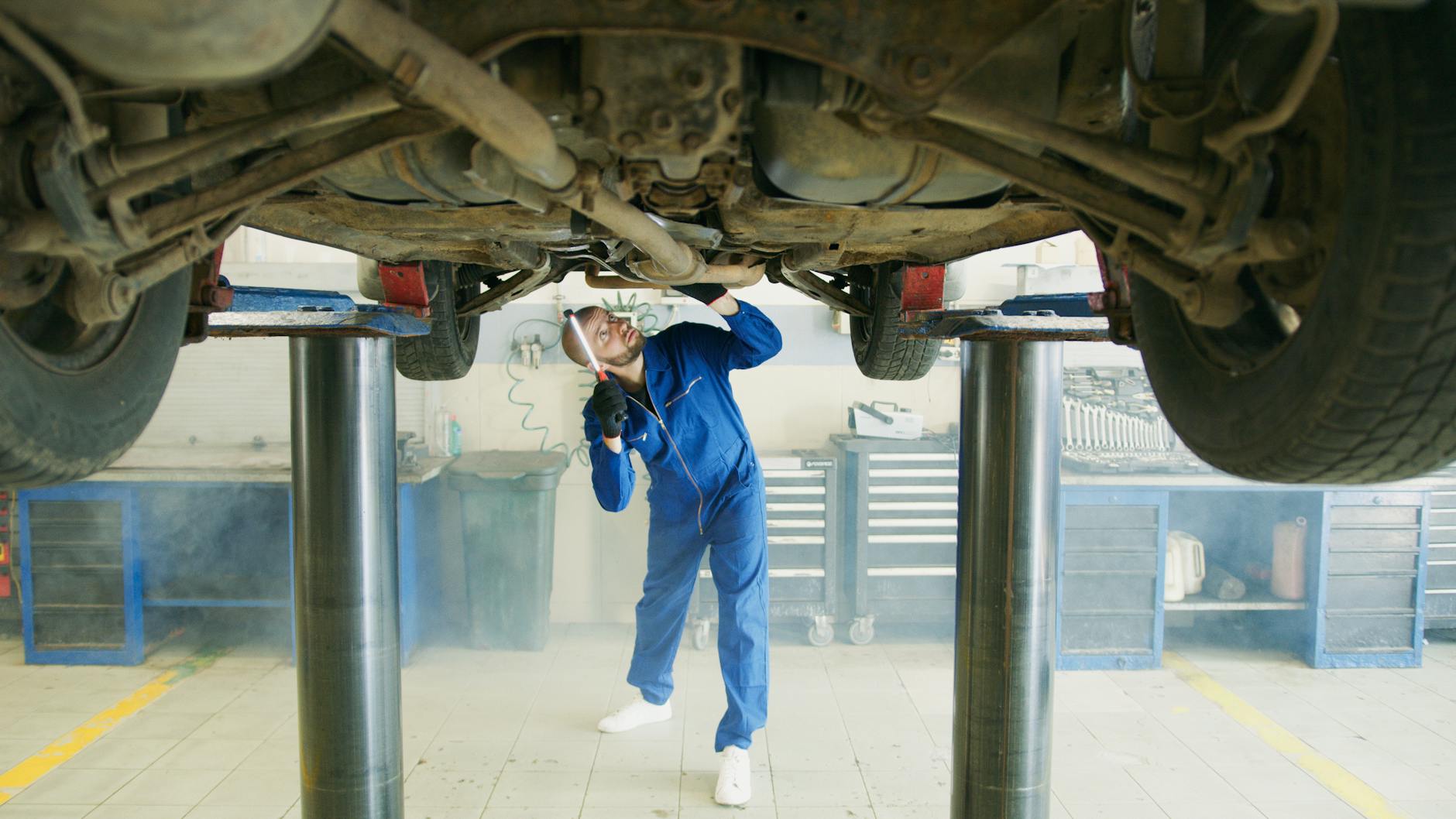
A proper inspection of a Chrysler exhaust system checks the full length of the pipe run, not just the visible muffler. Key areas include the manifold gaskets for carbon tracking, the flex section for cracks, the cat substrate for rattling or blockage, all pipe joints for rust perforation, and the rubber hangers for cracking. Hangers are cheap, but a broken one lets the pipe drop and contact the floor pan or fuel lines. Fix them early.
Oxygen sensor condition gets checked at the same time. Chrysler V8 models carry four O2 sensors: two upstream of the cats and two downstream. A lazy downstream sensor can trigger a false catalyst efficiency code (P0420 or P0430) that leads owners to replace a functioning catalytic converter. Sensor replacement costs a fraction of a new cat, so confirm sensor readings before committing to the larger repair.
Choosing the right system for your Chrysler
Match the system to the vehicle's purpose. Daily drivers covering mixed urban and highway kilometres are best served by a quality aluminised or 409-grade stainless system at a mid-range price point. Performance builds targeting track days or consistent high-load driving warrant a full 304-grade stainless system with larger-diameter pipe and a high-flow cat. Concours restoration work on classic Chrysler muscle cars calls for OEM-specification parts or custom fabrication to preserve originality.
One detail worth confirming before purchase: Australian-delivered Chrysler vehicles sometimes carry different emissions equipment from US-spec cars of the same model year. The 300C sold in Australia through the mid-2000s and early 2010s had locally compliant catalysts that don't always match the US parts catalogue. Cross-reference the VIN-decoded build sheet, not just the model name, before ordering.