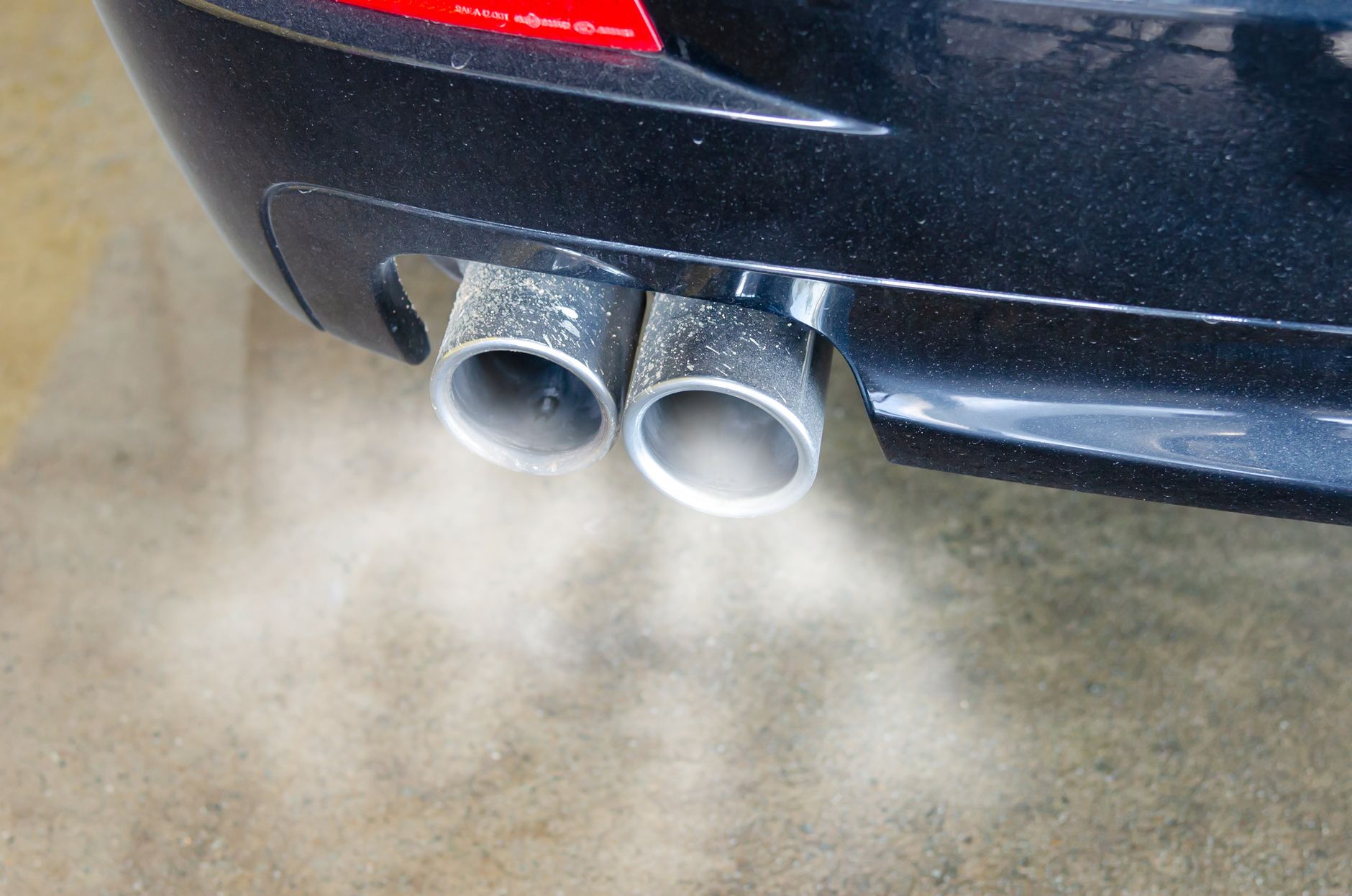
Isuzu exhaust systems are engineered around some of the toughest working engines in Australia, from the 4JJ3 diesel found in the D-Max to the larger powerplants fitted to Isuzu's commercial truck range. Whether you're chasing better performance, dealing with a rust-eaten mid-pipe, or replacing a cracked manifold, understanding how these systems are put together saves time and money at the workshop.
How Isuzu exhaust systems are structured
Every Isuzu exhaust system starts at the manifold, which collects gases from each cylinder and funnels them into a single downpipe. From there, the gases pass through the catalytic converter (on compliant models), then through a mid-section and into the muffler before exiting at the tail pipe. On turbocharged Isuzu diesels, the turbocharger sits between the manifold and the downpipe, which means heat and back-pressure management are especially critical.
The D-Max and MU-X share a platform and a lot of exhaust componentry, so parts fitment between these two models is often interchangeable in the mid-section. That's worth knowing if you're sourcing aftermarket components, because a wider parts pool keeps costs down.
Common failure points to watch for
Isuzu diesels run hot. The combination of high exhaust gas temperatures and Queensland's coastal salt air creates a reliable recipe for corrosion, particularly in the mid-pipe and the flexi section that sits just after the turbo outlet. The flexi joint absorbs engine movement; when it cracks, you'll hear a distinct metallic rattle or hiss, especially under acceleration.
Manifold cracking is another issue that surfaces on older Isuzu engines. The cast-iron manifolds fitted to earlier 4JA1 and 4JB1 motors expand and contract repeatedly over their service life. Small stress cracks appear first around the port flanges, and if they're left unattended, exhaust gases escape before reaching the catalytic converter. That affects emissions compliance and, in some cases, cabin air quality.
On newer DPF-equipped models, blocked or damaged diesel particulate filters generate warning lights and trigger limp mode. A DPF that can't be regenerated through a normal highway drive cycle will need professional attention, either a forced regen or replacement.
Choosing between OEM and aftermarket parts
Genuine Isuzu parts carry the correct heat ratings and flange dimensions for each model year. They're the safe option when a vehicle is still under warranty or when an exact fitment is required for roadworthy certification. The trade-off is price: OEM components for the D-Max's DPF assembly, for example, carry a significant cost compared to quality aftermarket alternatives.
Aftermarket exhaust systems for Isuzu utes have grown in quality and availability over the past few years. Stainless-steel mandrel-bent systems from reputable fabricators offer genuine longevity advantages over the mild-steel OEM pipework, and they're now available in cat-back configurations that retain the DPF and catalytic converter, keeping the vehicle emissions compliant. A 3-inch cat-back on a D-Max is a popular upgrade that improves exhaust flow without touching the emissions hardware.
Just like the approach taken with Holden exhaust systems, the key is matching the replacement part to the specific engine code and model year, not just the vehicle name. An exhaust meant for a 2019 D-Max will not necessarily suit a 2023 model with a different engine management calibration.
Isuzu commercial truck exhausts: different rules apply
Isuzu's N-Series, F-Series, and FX-Series trucks run larger 4HK1, 6HK1, and 6WG1 engines. The exhaust systems on these vehicles are built for sustained heavy-duty use, and failures typically present as cracked bellows joints, warped flex sections, or deteriorated gaskets at the turbo outlet. Parts sourcing for commercial Isuzu trucks is more specialised than for the ute range, and turnaround times from suppliers can vary.
Vertical stack exhausts on cab-over Isuzu trucks also require attention to the rain cap and stack clamps. A loose clamp lets moisture track down into the muffler body and accelerates internal corrosion from the inside out. Replacing the clamp costs almost nothing; replacing a waterlogged muffler costs considerably more.
Signs your Isuzu exhaust needs attention now
- A blowing or hissing noise that gets louder under load or when the engine is cold
- A sulphur smell in the cabin, which can indicate a pre-cabin leak in the system
- Visible rust scaling, holes, or soot marks on any section of the pipe
- A DPF or engine warning light that won't clear after a highway regeneration cycle
Any of these signs warrant a physical inspection, not just a diagnostic scan. A scan tells you which sensor triggered the fault; a visual inspection tells you why.
Getting the right repair at Caloundra Exhaust
Caloundra Exhaust fits and fabricates exhaust components for Isuzu utes and commercial vehicles across the Sunshine Coast. Caloundra Exhaust carries stock for the current D-Max and MU-X range and can source or fabricate sections for older Isuzu engines that are no longer well-supported by mainstream parts distributors. Owners dealing with a cracked flexi or a failed muffler on an older 4JB1-powered vehicle will find that custom fabrication is often faster and cheaper than waiting on a back-ordered OEM part.
If you're also maintaining a mixed fleet, it's worth knowing that Caloundra Exhaust handles fitment for a broad range of makes. The same diagnostic process applied to Chrysler exhaust systems — checking flange alignment, confirming gasket condition, and pressure-testing for leaks — applies equally to Isuzu platforms, and experienced technicians carry those habits across every job.